
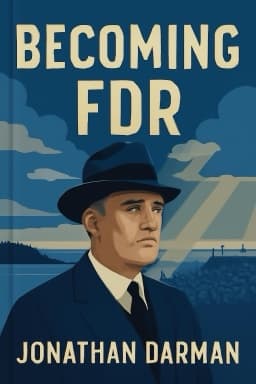
5 Leadership Lessons From FDR That Every Modern Leader Must Know
Unlock timeless leadership secrets from the man who led America through crisis and adversity.

Introduction
Franklin D. Roosevelt’s tenure as president coincided with some of the most turbulent periods in American history, including the Great Depression and the onset of World War II. His ability to navigate these crises while battling personal physical challenges offers timeless leadership insights.
Lesson 1: Resilience is the Foundation
Struck by polio at age 39, Roosevelt faced a life-altering disability. Yet, instead of retreating, he embarked on a grueling recovery and reinvented himself.
Lesson 2: Empathy Connects Leaders to People
Roosevelt’s early emotional training taught him to be attuned to others’ feelings, which translated into his ability to connect with Americans during hardship. His Fireside Chats were not mere speeches but empathetic conversations that reassured a fearful public.
Lesson 3: Communication is a Strategic Tool
Innovative for his time, Roosevelt harnessed radio to speak directly to citizens, bypassing traditional media filters.
Lesson 4: Adaptability Enables Survival and Growth
Faced with physical limitations and political setbacks, Roosevelt continually adapted his strategies, public image, and policies.
Lesson 5: Partnership and Delegation Strengthen Leadership
Roosevelt’s partnership with Eleanor was a cornerstone of his success. Her activism complemented his vision, and together they managed personal and political challenges.
Conclusion
FDR’s leadership journey teaches us that true leadership is forged through adversity, empathy, and strategic vision. By embracing these lessons, modern leaders can inspire change and navigate complexity with confidence.
Want to explore more insights from this book?
Read the full book summary