
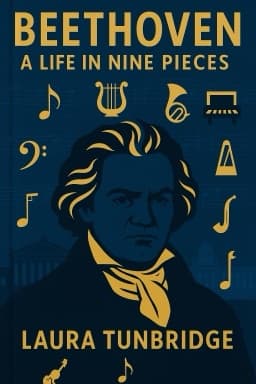
Unlocking Beethoven’s Genius: The Untold Stories Behind His Music Masterpieces
Dive deep into the life and times of Beethoven, uncovering fascinating anecdotes and the hidden meanings behind his timeless works.

Few names in music history evoke such awe and admiration as Ludwig van Beethoven. His compositions are pillars of classical music, yet the stories behind these masterpieces reveal a man as complex and compelling as the notes he wrote. From a young prodigy navigating the vibrant yet challenging world of early 19th-century Vienna, to a deaf composer revolutionizing symphonic form, Beethoven’s life was a tapestry of genius, struggle, and relentless ambition.
Beethoven’s early successes, such as his Septet, were not just artistic triumphs but savvy career moves. He understood the power of public concerts and music publishing in establishing his reputation. His meticulous daily rituals, like counting coffee beans, underscored a mind balancing creativity with practicality. These details illuminate the human side of a figure often mythologized solely for his genius.
His friendships, especially with musicians like George Bridgetower, influenced his compositions profoundly. The famous ‘Kreutzer’ Sonata’s dedication story highlights the intense emotional and social dynamics of his collaborations. Friendship for Beethoven was not casual; it was a vital source of inspiration and support, even amid conflicts and reconciliations.
Political upheaval shaped Beethoven’s work deeply. The ‘Eroica’ Symphony, initially dedicated to Napoleon, embodies the revolutionary spirit and subsequent disillusionment with political betrayal. Its bold structure and emotional depth challenged audiences and redefined what a symphony could express.
Beethoven’s ambition and experimentation peaked in events like the 1808 marathon concert, premiering multiple major works including the genre-blending Choral Fantasy. Despite logistical challenges, this concert marked a watershed moment, showcasing Beethoven’s restless creativity and willingness to push musical boundaries.
Beyond public triumphs, Beethoven’s personal life was marked by profound emotional struggles. The mystery of his ‘Immortal Beloved’ letter reveals a tender, vulnerable side, while his songs express the universal themes of love and longing. These intimate glimpses contrast with his public persona and add depth to our understanding of his artistry.
Later, family conflicts, especially the custody battle for his nephew Karl, weighed heavily on him. Yet, he channeled these hardships into groundbreaking late works like the ‘Hammerklavier’ Sonata, pushing technical and expressive limits.
In his later years, Beethoven’s spiritual quest found voice in the Missa solemnis, a monumental sacred work blending tradition and innovation. Though challenging to perform and initially underappreciated, it remains a profound testament to his artistic and philosophical depth.
His late string quartets, including the controversial ‘Grosse Fuge’, embody artistic closure and complexity. Initially perplexing audiences, they are now hailed as masterpieces that encapsulate his lifelong pursuit of musical transcendence.
Beethoven’s legacy is a blend of myth and reality. The first monuments in Bonn and the evolving interpretations of his music reflect a cultural icon who continues to inspire and challenge. Understanding him fully means embracing his humanity alongside his genius.
Beethoven’s life and work teach us about resilience, innovation, and the enduring power of music to express the deepest human emotions. His story invites us to look beyond the notes and see the man who changed the course of musical history forever.
Want to explore more insights from this book?
Read the full book summary