
Street Codes and Survival: The Hidden Rules of Black Urban Life
Unveiling the complex social codes that govern survival and community in black neighborhoods.

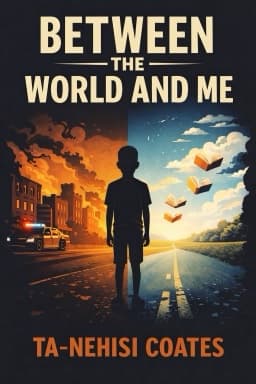
Urban streets in black neighborhoods are often portrayed in media as places of random violence and despair. However, as Ta-Nehisi Coates illustrates, these environments are governed by complex and ritualized social codes that are essential for survival. These codes dictate how individuals interact, how conflicts are managed, and how respect is earned and maintained.
Fights, for example, are not senseless but follow strict unspoken rules about timing, conduct, and resolution. These rituals serve to regulate violence and prevent escalation. Alliances and reputations are carefully managed through gestures, language, and behavior, creating a social order within apparent chaos.
Despite the risks, the streets are also spaces of culture and community. Music, laughter, and social bonds provide relief and joy amid hardship. These moments of connection are vital for sustaining identity and hope.
Systemic neglect, including lack of investment in housing, education, and employment, exacerbates the challenges faced by residents. Over-policing and the cycle of incarceration further destabilize communities, making street codes a necessary adaptation rather than mere cultural expression.
Understanding these dynamics challenges simplistic stereotypes and highlights the resilience and complexity of black urban life. It also underscores the need for systemic change that addresses root causes rather than symptoms.
For further perspectives, readers can explore sociological research and personal narratives that shed light on the lived realities behind the headlines and statistics. 2 4
Want to explore more insights from this book?
Read the full book summary