
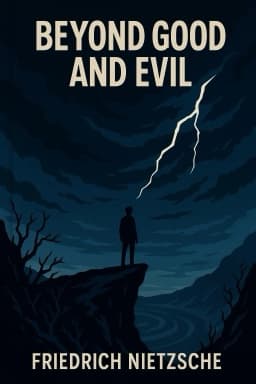
The Dark Origins of Morality: How Power Shapes What We Call Good and Evil
Explore Nietzsche’s eye-opening theory that morality is not about good and evil, but about power, discipline, and survival.

How Power Shapes What We Call Good and Evil
What if the moral compass we rely on is not a divine or natural guide, but a language of emotions and power struggles? Nietzsche’s analysis of morality reveals it as a complex social construct, expressing desires for revenge, humility, and self-glorification.
Morality as Emotional Sign-Language means that moral systems communicate underlying feelings and social motives. They are not absolute truths but tools used by individuals and groups to assert dominance, justify actions, or humble others.
Surprisingly, tyranny and constraint play a crucial role in this moral evolution. The imposition of strict laws and duties, though often harsh and arbitrary, has historically been necessary to cultivate strength, order, and cultural achievements such as art, reason, and spirituality.
This paradox—that discipline emerges from oppression—challenges simplistic views of morality as purely good or bad. It invites us to see moral values as dynamic forces shaped by social needs and power relations.
By understanding morality in this light, we gain critical insight into contemporary ethical debates and the foundations of social order.
Next, we will delve into the concept of nobility and the instinct for rank, exploring how awareness of difference shapes identity and values.
Want to explore more insights from this book?
Read the full book summary