
Why Solitude is the Secret Weapon of the Free Spirit: Nietzsche’s Guide to Inner Strength
Discover how embracing loneliness and independence can unlock your true potential, according to Nietzsche.

Nietzsche’s Guide to Inner Strength
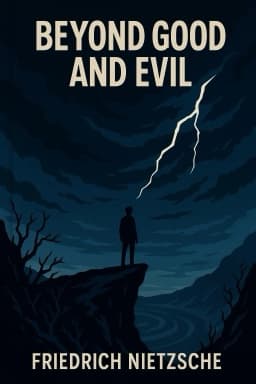
In a world that prizes social connection and belonging, solitude can feel like a burden or a punishment. Yet Nietzsche champions solitude as the essential condition for true freedom and intellectual independence. The free spirit, he argues, is one who dares to break from the herd, to embrace loneliness as a space of self-discovery and creation.
The Power of Solitude lies not in isolation alone but in the freedom it grants from external pressures and collective norms. In solitude, the free spirit cultivates a unique perspective, unclouded by the noise of popular opinion. This independence fosters creativity and the courage to question deeply held beliefs.
However, this path is not without challenges. The free spirit often faces misunderstanding, rejection, and even hostility. Nietzsche warns of the seductive trap of martyrdom—the temptation to adopt the role of the persecuted defender of truth as a form of vanity or self-aggrandizement. True freedom requires humility and the ability to laugh at oneself.
Consider how great thinkers throughout history have endured solitude to produce their most original work. Their isolation was both a crucible and a sanctuary, enabling them to forge new values and challenge dogmas.
Ultimately, solitude is a dynamic state—a balance between engagement and withdrawal, between strength and vulnerability. It is the soil from which the seeds of new ideas and authentic living grow.
Next, we will explore the complex relationship between religion, faith, and psychological struggle, uncovering how spiritual sacrifice shapes human experience and society.
Want to explore more insights from this book?
Read the full book summary