
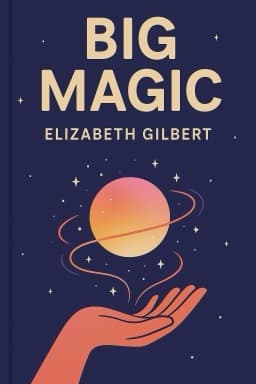
Why Fear is Your Best Friend in Creativity: Lessons from Big Magic
Reframe your relationship with fear and discover how it can fuel rather than hinder your creative journey.

Fear is often cast as the villain in the story of creativity, but what if it’s actually your most loyal companion? Elizabeth Gilbert’s Big Magic reframes fear not as a barrier but as a familiar, repetitive voice that signals the importance of what you are about to do.
Fear is universal and predictable, yet it holds a unique place alongside creativity. Like conjoined twins, they are born together and share vital organs. Fear can alert us to danger but also tries to protect us from the vulnerability that creative expression demands. Recognizing fear’s role helps us coexist peacefully rather than fight endlessly.
Psychological studies confirm that fear activates the brain’s threat response, often exaggerating risks. Gilbert’s insight encourages us to acknowledge fear’s voice but not surrender to it. Courage is the decision to proceed despite fear’s warnings.
Consider the example of a poet who retreated to a mountain hut, not because fear vanished but because courage grew stronger. This courage is a persistent choice, a daily commitment to say yes to creativity despite trembling hearts.
Embracing fear as a companion rather than an adversary transforms the creative process. It allows you to listen, respect, and yet lead. This balance nurtures resilience, enabling you to persist through rejection and doubt.
Strategies to harness fear include mindfulness practices to observe fear without judgment, reframing negative thoughts, and building a supportive creative community. These tools align with Gilbert’s emphasis on persistence and trust as pillars of creative living.
Ultimately, fear’s presence is a signpost pointing toward what you value most. By walking with fear rather than away from it, you open the door to a richer, more authentic creative life.
For deeper insights and inspiring stories, explore reflections from readers and professionals who have embraced fear as a creative ally, transforming their work and lives.
Sources: Julia's Books, The Blue Garret, Lisa Wan on Medium 1 2 3
Want to explore more insights from this book?
Read the full book summary