
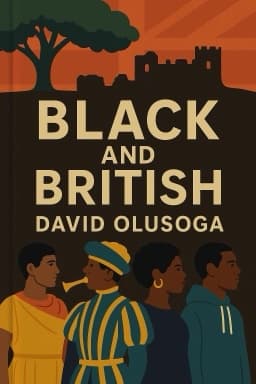
From Windrush to Today: The Resilient Spirit of Black Britain
How Caribbean migrants rebuilt Britain and forged a vibrant, resilient Black British identity.

In 1948, the Empire Windrush docked at Tilbury, London, carrying nearly 500 Caribbean migrants eager to help rebuild a nation devastated by war.
Settling in urban neighborhoods, these migrants faced housing shortages, employment discrimination, and social hostility. Yet, they forged close-knit communities, established cultural festivals, and contributed significantly to Britain’s economic and cultural life. Interracial relationships flourished, leading to a growing mixed-race population that continues to shape Britain’s diversity.
However, racial tensions simmered beneath the surface, erupting in riots during the 1950s through the 1980s in cities like London, Liverpool, and Bristol. These confrontations highlighted systemic racism and police brutality but also sparked political activism and social change.
Black British activists, artists, and leaders emerged to challenge discrimination and advocate for equality. Their efforts led to important legislative reforms and greater representation in public life. Today, the legacy of the Windrush generation is celebrated, yet challenges remain in addressing ongoing inequalities.
This story of migration, struggle, and resilience is central to understanding modern Britain’s identity and the continuing journey toward a more inclusive society.
Want to explore more insights from this book?
Read the full book summary