
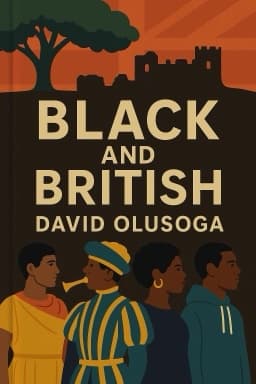
The Dark Secrets of Bunce Island: Britain's Forgotten Slave Fortress Exposed
Step inside the grim world of Bunce Island and uncover the brutal machinery of Britain's slave trade empire.

Hidden in the dense tropical forests of Sierra Leone lies the ruins of Bunce Island, a place that once stood at the heart of one of history’s most brutal enterprises—the transatlantic slave trade.
Strategically located on the Sierra Leone River, Bunce Island offered slave traders control over river and ocean routes, allowing them to select captives from thousands brought downriver. Upon arrival, enslaved men, women, and children were separated into different holding yards, enduring horrific conditions. Branding irons left permanent marks—company initials burned into flesh—signifying ownership and stripping individuals of identity.
While captives suffered, European traders lived in stark contrast, enjoying luxuries such as ice stores, golf courses, and lavish feasts. The island’s dark corners held the infamous 'rape house,' where enslaved women were subjected to unspeakable abuse. This juxtaposition of brutality and opulence underscores the inhumanity underpinning Britain's economic expansion.
The legacy of Bunce Island extends across the Atlantic. Descendants of those trafficked through its gates include the Gullah people of South Carolina and Georgia, whose rich cultural heritage preserves African traditions and language. Emotional homecomings to Bunce Island connect these descendants to their roots, offering a powerful reminder of history’s enduring impact.
Today, Bunce Island faces environmental threats, slowly being reclaimed by nature. Preservation efforts are critical—not just to save stones and ruins but to honor the memories of those who passed through its gates. Recognizing Bunce Island’s history is essential to understanding the full scope of Britain’s involvement in slavery and its lasting consequences.
This exploration invites us to confront uncomfortable truths and remember those whose lives were forever altered by this dark chapter in history.
Want to explore more insights from this book?
Read the full book summary