
Why Your First Impressions Are Often Right — And Sometimes Dead Wrong
The surprising science behind snap judgments and the hidden biases that can mislead you.

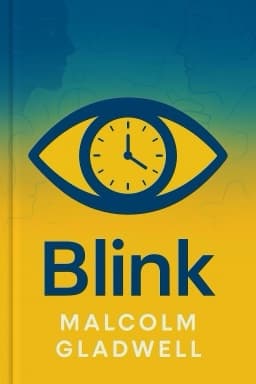
We’ve all heard the saying, 'Don’t judge a book by its cover,' yet every day we do exactly that. Our minds form first impressions in the blink of an eye — literally. Malcolm Gladwell’s Blink explores this fascinating phenomenon, showing that while these snap judgments can be surprisingly accurate, they are also prone to error.
One of the most striking examples is the election of Warren G. Harding, a president often remembered for his lack of qualifications. Yet, many voters were drawn to his tall stature and handsome appearance, associating these superficial traits with leadership ability. This cognitive bias, now called the 'Warren Harding error,' illustrates how physical appearance can overshadow actual competence in our unconscious assessments.
Research confirms that height and attractiveness correlate with leadership opportunities and higher salaries. An inch of height can translate to thousands of dollars in annual earnings, demonstrating the economic impact of these biases. Even subtle gender associations influence how we perceive career and family roles, as revealed by the Implicit Association Test (IAT), which measures unconscious attitudes.
Understanding these biases is crucial. They are not signs of moral failure but evolutionary shortcuts designed to help us make quick decisions. However, unchecked, they can perpetuate unfair stereotypes and discrimination.
So how do we protect ourselves? Awareness is the first step. By recognizing when snap judgments might be influenced by irrelevant traits, we can pause and engage more deliberate thinking. Training and structured decision-making processes, as Gladwell suggests, help balance intuition with reason.
In leadership, hiring, and daily interactions, striving to look beyond appearances and question our assumptions leads to better outcomes and more just societies. The power of first impressions is undeniable, but with knowledge and effort, we can harness it wisely.
Want to explore more insights from this book?
Read the full book summary