
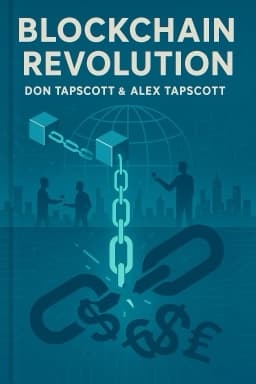
7 Principles Behind Blockchain’s Promise: How the New Economy Is Built
The seven rules that are quietly shaping a fairer, freer, and more open digital world.

Blockchain isn’t just a technology—it’s a philosophy, a set of rules for a new kind of digital society. At the heart of every blockchain system are seven key principles that make it possible to build trust, empower individuals, and create fairer markets. Let’s break them down:
- Networked Integrity: Trust is embedded in the network, not in any single person or entity. Every transaction is verified by consensus, making deception costly and honesty effortless.
- Distributed Power: No central authority controls the system. Power is spread across all participants, making the network resilient to attack, censorship, or manipulation.
- Value as Incentive: Digital tokens reward good behavior, aligning personal incentives with the health of the whole network. This is why miners secure blockchains, developers contribute code, and users participate honestly.
- Security: Cryptography and transparency keep assets and data safe, ensuring that everyone can act with confidence.
- Privacy: Users control what they share and with whom, balancing openness with personal freedom.
- Rights: Immutable records and smart contracts protect agreements, ownership, and personal agency.
- Inclusion: Anyone with a basic device can join, breaking down barriers to economic participation.
These aren’t just abstract ideals—they’re already changing the world. For instance, blockchain-powered financial services are giving millions access to banking for the first time, while decentralized identity systems help refugees prove who they are and claim their rights. It’s a quiet revolution, but one that’s rewriting the rules for everyone.
By understanding these principles, you’ll see why blockchain is more than hype. It’s a blueprint for a more trustworthy, inclusive, and resilient digital economy—one where the rules are fair, the records are open, and the future is up for grabs.
Want to explore more insights from this book?
Read the full book summary