
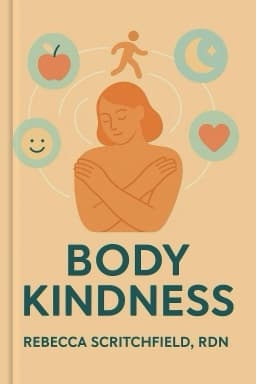
Eat What You Love Without Guilt: The Body Kindness Guide to Food Freedom
Break free from food rules and discover how to enjoy eating with trust and pleasure.

Eating should be a source of joy and nourishment, yet many find themselves trapped in a web of food rules that dictate what is 'good' or 'bad.' These rules often arise from fear—fear of weight gain, loss of control, or judgment.
Every day, we make over 200 decisions about food, from what to eat to when and how much. This abundance of choices can be overwhelming, especially when clouded by anxiety and rigid rules. Body kindness offers a refreshing perspective by distinguishing between food preferences—what you genuinely enjoy—and food rules—fear-based restrictions that limit freedom.
One effective strategy is legalizing feared foods. For example, a person terrified of chocolate might start by allowing themselves a small piece without guilt. Over time, this reduces obsession and restores balance. This approach fosters trust in your body's signals rather than external rules.
The three-legged stool of eating—eating when hungry, balancing your plate with variety, and savoring your meal mindfully—helps you reconnect with your body's natural wisdom. Mindful eating encourages slowing down, appreciating flavors, and noticing fullness cues, which naturally regulate intake.
Stories abound of individuals who transformed their relationship with food by replacing fear with curiosity and kindness. One woman who avoided bread for years found peace by including it regularly, while another overcame binge eating through mindful awareness.
Food is not a moral judge; no food is inherently good or bad. When you shed these judgments, you free yourself from guilt and open the door to joyful nourishment.
Eating with body kindness is a radical act of self-care that nurtures your body and soul. It invites you to trust yourself and savor every bite.
To learn more about transforming your eating habits, explore expert summaries and community stories at trusted health sites. 1 2 4
Want to explore more insights from this book?
Read the full book summary