
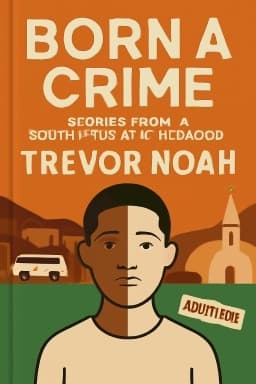
Language as a Lifeline: How Multilingualism Bridged Divides in Born a Crime
The Crucial Role of Language in Navigating Apartheid’s Divisions

Language is more than communication; it is identity, culture, and power. In apartheid South Africa, language was weaponized to enforce division and maintain control. Schools taught children only in their home languages, deepening ethnic and racial divides. Yet, for Trevor Noah, mastering multiple languages became a lifeline and a bridge across these chasms.
Apartheid’s Linguistic Segregation
The Bantu education system deliberately limited instruction in English and other dominant languages to restrict black South Africans’ opportunities. This policy reinforced tribalism and social stratification.
Multilingualism as Survival and Connection
Noah’s fluency in languages like Xhosa, Zulu, Afrikaans, and English allowed him to navigate diverse social groups. By speaking others’ languages, he could build trust and defuse tension. Language became a tool of inclusion and a subtle form of resistance against imposed divisions.
Language and Identity
Each language carried cultural significance and shaped Noah’s multifaceted identity. Navigating these linguistic worlds helped him understand the complexities of race, culture, and belonging.
This exploration of language in Born a Crime reveals how communication can either divide or unite. Noah’s story is a testament to the power of language to transcend barriers and create community amidst segregation.
Sources: SparkNotes Themes, Christina Allday Review, Medium Deep Dive 1 2 4
Want to explore more insights from this book?
Read the full book summary