
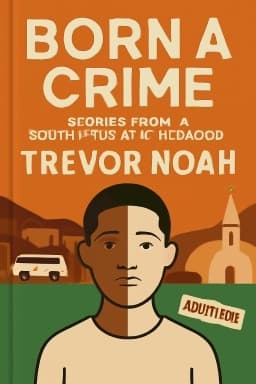
The Invisible Child: How Apartheid’s Laws Shaped Identity and Family in Born a Crime
Exploring the Impact of Apartheid on Childhood and Family Bonds

Trevor Noah’s story begins with a startling fact: his birth was illegal. Under apartheid, interracial relationships were criminalized, rendering mixed-race children like Noah invisible and vulnerable. This legal framework not only dictated where families could live and work but also deeply influenced personal identity and family dynamics.
Legal Invisibility and Identity Crisis
The apartheid government’s obsession with racial purity meant that children of mixed heritage were forced to live in the shadows. Birth certificates often concealed true parentage, and families had to adopt elaborate strategies to avoid detection.
The Role of Women in Family Survival
With many men absent due to systemic oppression, women became the pillars of family and community. Noah’s mother exemplifies this strength, balancing strict discipline with deep love and spiritual leadership. Her prayer meetings were more than religious observances; they were acts of resistance and community building.
Faith, Culture, and Survival
The blending of Christian and indigenous beliefs provided a spiritual framework that helped families endure hardship. Traditional healers, church rituals, and ancestral worship coexisted, reflecting a rich cultural tapestry that supported resilience.
Language and Connection
Language was another critical factor shaping identity. Apartheid’s segregation policies enforced linguistic divisions, yet mastering multiple languages allowed Noah to navigate diverse communities and build relationships. This linguistic fluidity was a subtle form of resistance and a key to survival.
Through these lenses, Born a Crime reveals the intricate ways apartheid laws penetrated the most intimate aspects of life, shaping childhood, family, and identity. The memoir offers a powerful testament to human resilience and the enduring bonds that sustain us in times of division.
Sources: SparkNotes Analysis, Christina Allday Review, Medium Deep Dive 1 2 4
Want to explore more insights from this book?
Read the full book summary