
The Dark Side of Brain Science in Marketing: Ethics You Can’t Ignore
What Every Marketer and Consumer Should Know About the Moral Limits of Cognitive Branding

The fusion of neuroscience and marketing heralds a new era of insight and influence. But with this power comes profound ethical responsibility. Behavioral science can be a double-edged sword, capable of illuminating consumer needs or exploiting vulnerabilities.
Manipulative tactics that prey on subconscious biases risk eroding trust, harming consumers, and damaging societal well-being. Ethical branding requires marketers to ask tough questions: Are we transparent? Would we be comfortable if everyone used this approach? Are we acting fairly and for the greater good?
The Canonical, Categorical, and Sunshine tests provide a moral compass. They demand that marketing practices align with accepted norms, be universally acceptable, and be transparent to consumers.
Emerging neuromarketing technologies like brain imaging and biometric analysis offer exciting possibilities but raise new concerns about data privacy, informed consent, and the limits of influence.
Marketers must embrace transparency, accountability, and respect for consumer autonomy to build lasting, ethical brand relationships.
Consumers, too, should be aware of these dynamics to make informed choices and advocate for responsible marketing practices.
Ultimately, ethical cognitive branding is not just a legal obligation but a foundation for sustainable success and mutual respect in the marketplace.
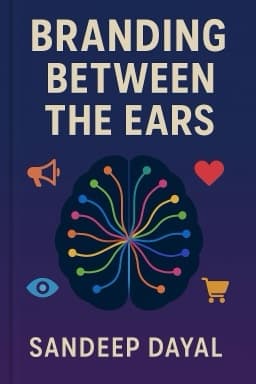
Sources: Sandeep Dayal’s "Branding Between the Ears" 1 , 3 , 4
Want to explore more insights from this book?
Read the full book summary