
The Emotional Vibes That Make You Love (or Hate) a Brand
How Brands Speak the Language of Your Heart to Win Loyalty

In the crowded marketplace, facts and features alone rarely win hearts. Instead, it’s the emotional vibes — the subtle whispers of empathy and shared values — that create invisible threads binding consumers to brands.
Empathy is the foundation of trust. When a brand shows it understands your struggles, aspirations, or feelings, it says, "I see you." This simple message opens the door to acceptance and loyalty. For example, a patient dealing with a chronic illness feels comforted and validated when a pharmaceutical brand acknowledges their experience beyond just selling a product.
Shared values deepen this connection. Brands that authentically embody causes, identities, or purposes aligned with their consumers inspire devotion that goes beyond transactions. Whether it’s a car company embracing marginalized communities or an ice cream brand championing social justice, these alignments create fanatical followings.
But beware — when brands betray these vibes by acting inconsistently or insincerely, the fallout is swift and painful. Consumers feel betrayed and may abandon the brand, eroding years of goodwill.
Emotional advertising can be a double-edged sword. While it captures attention and evokes feelings, it can sometimes overshadow the brand name itself, leading to vivid memories of the story but poor brand recall.
Successful brands master this delicate dance, embedding themselves meaningfully within emotional narratives while maintaining clarity and authenticity.
By speaking the language of the heart, brands transform from mere products into trusted companions on the consumer’s journey.
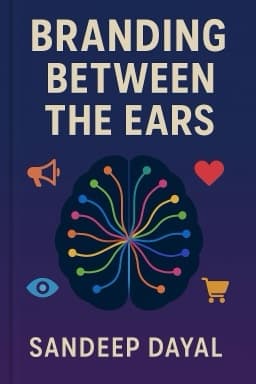
Sources: Sandeep Dayal’s "Branding Between the Ears" 1 , 3 , 4
Want to explore more insights from this book?
Read the full book summary