
Why Your Brain Loves Familiar Brands (And How Marketers Use This to Win You Over)
The Science of Making Brands Feel ‘Right’ Without You Even Noticing

Have you noticed how you often pick brands that feel familiar, even if you don’t consciously think about it? This isn’t a coincidence — it’s a powerful cognitive bias known as the familiarity effect, a cornerstone of how our brain simplifies complex choices.
Our brain is wired to conserve energy. Faced with countless options, it leans on shortcuts — mental heuristics that help us decide quickly and with minimal effort. One such shortcut is cognitive ease, the pleasant sensation when something feels familiar and easy to process.
Marketers have long understood this and use it to their advantage by repeatedly exposing consumers to brand elements, creating associations with familiar concepts, and setting strategic anchors that influence perception. For example, a frozen pizza brand that evokes the aroma and taste of delivery pizza taps into comforting sensory memories, making it an easy and appealing choice.
The anchoring effect further shapes how we evaluate brands by providing reference points that frame our judgments. When a brand positions itself against a beloved experience or competitor, it sets a mental benchmark that guides your perception of value and quality.
Processing fluency, or how smoothly information is absorbed, also plays a crucial role. Brands that communicate clearly and consistently reduce mental resistance, leading to positive feelings and implicit trust.
However, cognitive ease is fragile. If a brand fails to deliver on its promises, the brain updates its memory, and familiarity can quickly turn into skepticism.
Understanding these subconscious nudges can help marketers craft brands that feel right instinctively and help consumers navigate choices effortlessly.
Next time you reach for your favorite brand, remember — your brain’s gentle nudges are at play, making that choice feel like second nature.
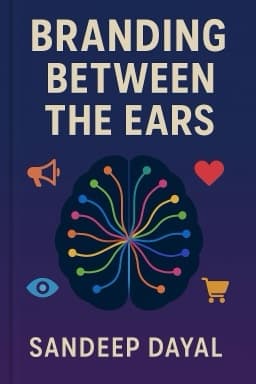
Sources: Sandeep Dayal’s "Branding Between the Ears" 1 , 2 , 4
Want to explore more insights from this book?
Read the full book summary