
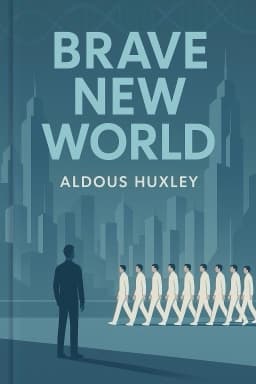
The Controversies Behind ‘Brave New World’: Banned, Censored, and Misunderstood
Why This Classic Still Sparks Debate
Few novels have provoked as much controversy as Aldous Huxley’s ‘Brave New World.’ Since its debut, the book has been banned and challenged in schools and libraries across the globe. Critics have objected to its frank portrayal of sex, its use of drugs as a tool of social control, and its bleak vision of the future.
Banned and Challenged
From the United States to India, ‘Brave New World’ has faced bans for being ‘anti-family,’ ‘anti-religion,’ and ‘morally offensive.’ In some places, it was removed from reading lists due to fears that it would corrupt young minds.
Misunderstood Messages
Yet, many who seek to ban the book misunderstand its message. Huxley was not advocating for a world of casual sex and mindless pleasure—he was warning against it. The novel’s real target is the loss of freedom and individuality in the face of state and corporate power.
The Power of Dissent
Despite the controversy, the book has endured because it forces readers to confront uncomfortable truths. Its continued presence on banned books lists is a testament to its power—and its necessity.
As debates about censorship and free speech continue, ‘Brave New World’ remains a vital touchstone for anyone who cares about the future of literature and society.
References: Britannica, The Artifice, SparkNotes
Want to explore more insights from this book?
Read the full book summary