
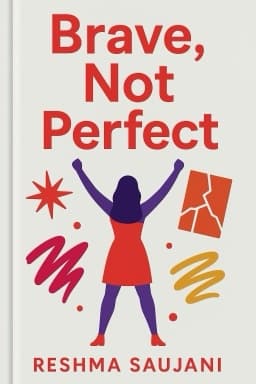
The Hidden Cost of Perfectionism: Why Bravery is the Real Success
Explore the emotional toll of perfectionism and how embracing bravery can heal and empower.

At first glance, perfectionism might appear as a desirable trait—attention to detail, high standards, and relentless pursuit of excellence. However, beneath this polished surface lies a heavy emotional burden that many women carry silently. This blog sheds light on the hidden costs of perfectionism and reveals how bravery offers a healthier, more sustainable path to success.
Despite advances in gender equality and opportunities, studies show that women’s overall happiness has declined over recent decades. This paradox is partly due to the pressures of perfectionism, which demands flawless performance in career, family, and social roles simultaneously. The constant fear of failure and need to please others create chronic stress, anxiety, and burnout.
Perfectionism is often mistaken for excellence, but the two are fundamentally different. Excellence embraces mistakes as part of growth, while perfectionism demands impossible flawlessness, leading to paralysis and self-criticism. Fear of failure prevents many women from pursuing leadership roles or new challenges, limiting career advancement and personal fulfillment.
Bravery, on the other hand, is about embracing imperfection and vulnerability. It allows women to confront fears, take risks, and learn from setbacks. This shift in mindset reduces anxiety and fosters resilience. Practical strategies include adopting a growth mindset, practicing self-compassion, and prioritizing self-care such as sleep and mindfulness.
Building supportive communities—where women share struggles and successes—also plays a vital role in healing and empowerment. These networks provide emotional safety and encouragement to step outside comfort zones.
Choosing bravery over perfection does not mean lowering standards but redefining success as a journey marked by courage, learning, and authenticity.
This transformation opens the door to greater joy, fulfillment, and impact in all areas of life.
2 , 3 , 4
Want to explore more insights from this book?
Read the full book summary