
Why Breaking Up With Sugar Is the Best Relationship Advice You’ll Ever Get
Discover the Surprisingly Emotional and Transformative Journey to Freedom from Sugar

Discover the Surprisingly Emotional and Transformative Journey to Freedom from Sugar
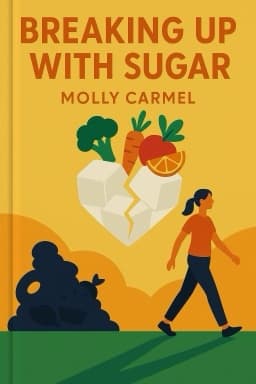
Imagine waking up each morning free from the tug of cravings, the guilt of late-night snacking, and the rollercoaster of energy crashes. For millions, sugar is more than a treat—it’s a comfort, a reward, and sometimes, a silent saboteur. In Molly Carmel’s breakthrough book, Breaking Up With Sugar, she invites us to see our relationship with sugar for what it truly is: a deeply emotional bond that often begins in childhood and is reinforced by every celebration, heartbreak, and moment of stress.
From the first pages, Carmel’s story resonates—her own journey from morbid obesity to freedom sets the tone for a message that is both compassionate and uncompromising. She exposes the sneaky ways sugar infiltrates our lives, from birthday cakes to office doughnuts, and explains how our brains become wired to crave that sweet hit of dopamine. It’s not about willpower; it’s about biology. The science is clear: repeated exposure to sugar and flour changes our neural pathways, making cravings feel like commands and self-control a daily battle.
But Carmel doesn’t leave us in despair. Her 66-day vows are a lifeline, offering structure without shame. Each vow—open mind, sugar-free, flour-free, mindful volume, regular meals, planning, and accountability—becomes a stepping stone toward freedom. She emphasizes that perfection is not required; instead, consistency and self-compassion are the real heroes. If you slip, you don’t start over; you simply return to your path, armed with new wisdom.
The book is rich with real-life examples—stories of people who faced down cravings by learning to 'urge surf,' letting waves of desire rise and fall without giving in. Carmel’s methods are rooted in both science and heart: she teaches that cravings are temporary, setbacks are lessons, and support systems double your chances of success. The book also dives into the psychological roots of food obsession, showing readers how to identify and rewrite the core beliefs that drive self-sabotage.
Perhaps the most revolutionary idea in Breaking Up With Sugar is the call to embrace a 'middle way'—a balanced, flexible approach that rejects both all-or-nothing thinking and rigid dieting. Carmel’s message is clear: this is not a diet, but a new relationship with food and self. Readers are encouraged to celebrate 'non-scale victories' like better sleep, improved mood, and stronger relationships, recognizing that true success is measured in joy, not just pounds lost.
In the final chapters, Carmel looks ahead: sustaining change means building community, practicing flexibility, and recognizing that recovery is a daily practice, not a destination. The book closes with a vision of freedom—not just from sugar, but from shame, guilt, and self-doubt. It’s an invitation to a life where food is a source of nourishment and pleasure, not pain.
If you’re ready to break free from sugar’s hold and reclaim your health and happiness, Breaking Up With Sugar is the compassionate, science-backed guide you’ve been waiting for. 2 3 4
Want to explore more insights from this book?
Read the full book summary