
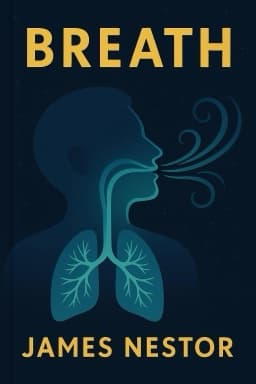
Why Almost Everyone Is Breathing Wrong — And How to Fix It Today!
Discover the hidden epidemic of poor breathing habits and simple steps to reclaim your health.
Breathing might be the most fundamental action we perform every second of our lives, yet a staggering majority of people are doing it wrong.
Ancient humans had broad jaws and wide nasal passages, perfectly designed for efficient nasal breathing. Their teeth were straight, and their airways unobstructed. Fast forward to today, and many suffer from narrow jaws, crooked teeth, and habitual mouthbreathing. This shift is not just cosmetic; it disrupts the body's ability to filter, humidify, and regulate airflow, leading to dry mouth, poor sleep, and increased risk of respiratory diseases.
The nose is a marvel of nature—its turbinates warm and humidify air, cilia sweep out pollutants, and special tissues regulate airflow in a rhythmic nasal cycle. It even produces nitric oxide, a molecule critical for oxygen absorption and immune defense. Mouthbreathing bypasses these benefits, reducing oxygen uptake by nearly 20%, and increasing dehydration and inflammation.
One of the most overlooked aspects of breathing is exhalation. Full, deep exhalations engage the diaphragm, help remove stale air, and support cardiovascular function. Conditions like emphysema highlight how poor exhalation impairs lung health. Athletes who train their exhale improve endurance and recovery, showing how breath control can be a game changer.
Surprisingly, breathing less — not more — can be healthier. Carbon dioxide, often misunderstood as a waste gas, actually regulates oxygen release to tissues through the Bohr effect. Slow, reduced breathing preserves CO2 levels, improves mental clarity, reduces anxiety, and boosts physical performance.
Diet and chewing also play a crucial role. Soft modern foods require less chewing, causing underdeveloped jaws and narrow airways, perpetuating mouthbreathing and respiratory problems. Ancient diets, rich in tough foods, promoted healthy facial growth and breathing anatomy.
Fortunately, ancient breathing techniques like pranayama and alternate nostril breathing offer powerful tools to restore balance. Breath holds increase CO2 tolerance, while slow, mindful breathing calms the nervous system and promotes healing. Integrating these practices into daily life can improve chronic disease outcomes, enhance longevity, and deepen the mind-body connection.
Every breath is a chance to heal and thrive. By reclaiming the lost art of breathing, you can unlock profound health benefits and transform your life. Start today by focusing on nasal breathing, slowing your breath, and chewing mindfully — your body and mind will thank you.
Want to explore more insights from this book?
Read the full book summary