
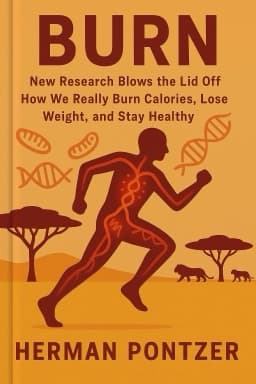
Why Your Diet Matters More Than You Think: Metabolism and Modern Food Challenges
How modern diets disrupt our ancient metabolism and what you can do to restore balance.

From Ancient Adaptations to Modern Overload
Our bodies evolved to thrive on natural foods that were seasonal and often scarce. Carbohydrates, fats, and proteins each follow distinct metabolic pathways, carefully balanced to meet energy demands. However, the modern diet, dominated by processed foods, disrupts this balance.
Carbohydrates are primarily broken down into glucose, the main fuel for cells. Excess glucose is stored as fat, but when combined with frequent consumption of calorie-dense processed snacks, this storage can spiral out of control. Fats require emulsification by bile to be absorbed and used or stored, while proteins provide amino acids essential for tissue repair and other functions.
Crucially, dietary fiber—once abundant in ancestral diets—is often missing today. Fiber is not digested by human enzymes but fermented by the gut microbiome, producing beneficial fatty acids that regulate metabolism and immunity. This microbial partnership is essential for maintaining metabolic health.
Processed foods exploit our evolved taste preferences, making them hyper-palatable and easy to overconsume. This leads to metabolic dysregulation, weight gain, and chronic diseases such as diabetes and heart disease.
Exercise is important but not a magic bullet. Metabolic adaptations limit total calorie burn, meaning diet quality and composition are paramount for managing weight and health.
To restore metabolic balance, focus on whole foods, fiber-rich diets, and mindful eating habits that honor your body’s evolutionary design.
Want to explore more insights from this book?
Read the full book summary