
Why Burnout Hits Women Harder—and What Science Says You Can Do About It
The Real Reasons Women Burn Out and the Cutting-Edge Solutions Backed by Research

The Real Reasons Women Burn Out and the Cutting-Edge Solutions Backed by Research
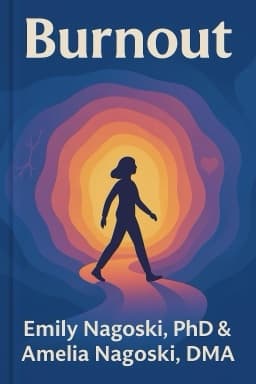
Burnout is not just a modern buzzword—it’s a crisis disproportionately affecting women. But why? The answers lie at the intersection of biology, psychology, and culture. In this comprehensive blog, we dig into the science and stories behind women’s burnout, weaving together insights from the Nagoskis’ book, expert interviews, and the latest research.
The Biology of Stress: Why Women’s Bodies React Differently
Women’s stress response is shaped by a unique interplay of hormones and social conditioning. While men often experience a 'fight or flight' reaction, research shows women are more likely to respond with 'tend and befriend'—seeking connection and caregiving under stress. This can be protective, but also means women are more likely to take on emotional labor, both at work and at home ( 1 ).
The Hidden Weight of Emotional Labor
Emotional labor is the unpaid, invisible work of managing others’ feelings and smoothing social interactions. Women are expected to be the emotional glue in families, workplaces, and communities. The result? Chronic stress, exhaustion, and a sense of never being able to rest ( 2 ).
Beauty Standards and the Bikini Industrial Complex
On top of emotional labor, women face relentless pressure to look a certain way. The 'Bikini Industrial Complex'—an industry profiting from women’s insecurities—fuels chronic dissatisfaction and stress. Studies show that body dissatisfaction is a major predictor of burnout, especially among young women ( 3 ).
Completing the Stress Cycle: The Science-Backed Solution
The good news? Science offers hope. Completing the stress cycle—through movement, laughter, affection, or creative expression—helps your body process and release stress. Social support is particularly powerful: even brief moments of connection can shift your nervous system from threat to safety ( 2 ).
Self-Compassion: The Missing Piece
Research shows that self-compassion is a stronger predictor of resilience than self-esteem. Women who practice self-kindness recover from setbacks faster and are less likely to develop chronic health problems ( 4 ).
Systemic Solutions: Beyond Self-Help
Individual strategies matter, but real change requires addressing the systems that fuel burnout. Workplaces must recognize and reward emotional labor, media must diversify beauty standards, and communities must support rest and recovery for all. Only then can we create a world where women can thrive, not just survive.
Takeaway
Burnout is not a personal flaw—it’s a predictable outcome of biology and culture. By understanding the science, practicing self-compassion, and advocating for systemic change, women can break free from burnout’s grip and reclaim their lives.
Want to explore more insights from this book?
Read the full book summary