
Bullshit, Lies, and Viral Memes: Why You’re More Vulnerable Than You Think
How Social Media and Human Nature Make Us Easy Targets—and What You Can Do About It

How Social Media and Human Nature Make Us Easy Targets—and What You Can Do About It
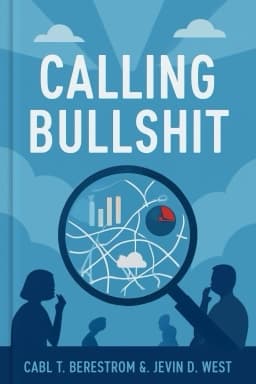
Ever wonder why fake news spreads faster than the truth? 'Calling Bullshit' explains that it’s not just the fault of bad actors—it’s also the result of how our minds and social networks work. We’re hardwired to believe stories that confirm our biases, especially when they come from friends or influencers we trust. Social media platforms turbocharge this effect, using algorithms that prioritize engagement over accuracy.
The book is filled with jaw-dropping examples: viral health scares that led to panic buying, political memes that swayed elections, and coordinated bot campaigns that made fringe ideas go mainstream. These stories reveal how quickly misinformation can shape public opinion and even policy.
But there’s hope. The authors provide practical advice for resisting the pull of viral bullshit: pause before sharing, check multiple sources, and encourage open discussions with your network. They also advocate for media literacy education and collective action, showing that communities can push back against the tide of misinformation.
In the end, the battle against bullshit is not just about individual vigilance—it’s about building a culture of skepticism and care. This blog offers a roadmap for doing just that, inspired by the wisdom of 'Calling Bullshit'.
Want to explore more insights from this book?
Read the full book summary