
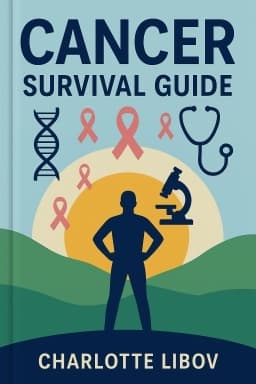
Unlocking the Secrets of Cancer: What Every Patient and Caregiver Must Know
A deep dive into understanding cancer, its treatment, and how to live beyond it with hope and resilience.

Imagine your body as a bustling city, where every cell plays a vital role in maintaining harmony. Cancer disrupts this harmony by turning some cells into rebellious entities that grow uncontrollably and refuse to die. These immortal cells form tumors that invade organs and impair function. The four major types of cancer—carcinoma, sarcoma, blood cancers, and central nervous system cancers—each arise from different tissues but share this dangerous behavior. Though genetics play a role, most cancers result from lifestyle and environmental factors, with tobacco smoking accounting for nearly 30% of all cases. Understanding this foundation is crucial for prevention and early detection.
The Diagnostic Journey: Taking Control of Your Health
Diagnosing cancer requires a layered approach: medical history, physical exams, blood tests, imaging scans like CT or MRI, and ultimately, a biopsy to confirm the presence of cancer cells. Patients become empowered by maintaining personal healthcare records, which act as a compass through the complex sea of appointments and tests. However, diagnostic tools like CT scans expose patients to radiation, so asking about necessity and alternatives is wise. This active participation fosters informed decisions and reduces anxiety.
Navigating Treatment Options: The Fight Begins
Treatment modalities include surgery to remove tumors, chemotherapy that targets rapidly dividing cells but affects healthy tissues causing side effects, and radiation therapy. The rise of targeted therapies and immunotherapy offers hope by focusing on specific cancer molecules, reducing collateral damage. Stories of patients benefiting from targeted drugs highlight the transformative power of personalized medicine. Understanding each option helps patients weigh risks and benefits, preparing them for the journey ahead.
Beyond Conventional Medicine: Integrative Therapies
Complementary therapies such as acupuncture, nutrition counseling, meditation, and herbal medicine support symptom relief and overall wellness. Safety is paramount; for example, acupuncture must use sterile needles to prevent infections in immunocompromised patients. Integrative medicine combines evidence-based complementary approaches with standard treatments, enhancing quality of life without replacing proven therapies.
Choosing Your Healthcare Team: Expertise and Compassion
Your medical team includes medical, surgical, and radiation oncologists, each with specialized roles. Selecting experienced doctors familiar with your cancer type and care centers with multidisciplinary expertise improves outcomes. Patient navigators provide invaluable support, guiding patients through logistics and emotional challenges. Seeking second opinions ensures comprehensive care and confidence in treatment plans.
The Big Four: Breast, Lung, Colon, and Prostate Cancer
These cancers account for half of all diagnoses. Breast cancer affects both women and men, lung cancer screening with low-dose CT saves lives, colon cancer often develops from removable polyps, and prostate cancer screening requires nuanced discussions. Awareness and screening are critical for early detection and improved survival.
Rare and Challenging Cancers
Brain, ovarian, and melanoma cancers present unique challenges. Brain tumors rarely spread but disrupt vital functions, ovarian cancer is often diagnosed late due to vague symptoms, and melanoma is the deadliest skin cancer but highly curable if caught early. Specialized centers provide expert care and access to clinical trials.
The Emotional Landscape: Coping with Cancer
The psychological impact of cancer includes stress, anxiety, and depression, which can affect immune function and treatment outcomes. Support groups, mindfulness, faith, and counseling foster resilience. Recognizing and treating depression improves quality of life.
Survivorship: Life After Treatment
Survivorship begins at diagnosis and involves managing late effects like organ damage, adopting healthy lifestyles, and ongoing monitoring. Personalized care plans and lifestyle changes reduce recurrence risk and promote thriving beyond cancer.
Living Cancer-Free: Prevention and Hope
Nearly half of cancers are preventable through lifestyle changes such as quitting smoking, healthy diet, exercise, sun protection, and vaccination against HPV and hepatitis B. Understanding and acting on these insights extend life expectancy and enhance wellness.
Want to explore more insights from this book?
Read the full book summary