
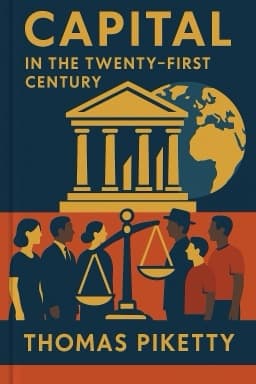
Can We Tax Our Way to Equality? The Radical Ideas to Regulate Capital in the 21st Century
Exploring Bold Policy Proposals to Tackle Wealth Concentration and Build Fairer Societies

As wealth inequality reaches unprecedented levels, traditional policy tools often fall short. Thomas Piketty’s "Capital in the Twenty-First Century" offers a visionary framework for reining in capital accumulation through democratic means.
Implementing such a tax is no small feat. It requires unprecedented international coordination, transparency, and enforcement mechanisms to prevent evasion and capital flight. Yet, the potential benefits are vast: increased revenue for education, healthcare, and infrastructure; a fairer distribution of wealth; and strengthened democratic institutions.
Complementing taxation, modernizing the social state is crucial. Investments in education, health, and social protections empower individuals and promote social mobility, addressing inequality at its roots. Managing public debt responsibly ensures economic stability and supports these social investments.
These policy ideas face resistance from entrenched interests and political inertia, but the stakes could not be higher. Without decisive action, wealth concentration threatens social cohesion, economic resilience, and democratic governance.
Engaging with Piketty’s proposals invites a reimagining of capitalism—one that balances innovation and growth with fairness and sustainability.
By embracing these ideas, societies can chart a path toward a more equitable and prosperous future for all.
Want to explore more insights from this book?
Read the full book summary