
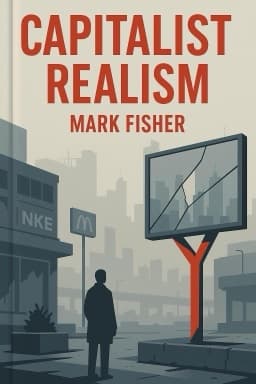
Beyond the End of the World: Can We Escape Capitalist Realism?
Imagining Resistance and Renewal in a System That Claims No Alternatives

Capitalist realism tells us there is no alternative to capitalism, that the future is closed and resistance futile. Yet, history shows no social order is eternal or natural. Mark Fisher’s final reflections remind us that emancipatory politics begins by exposing capitalism’s contingency and inventing new ways of thinking and acting.
The symbolic defeat of the 1984-1985 Miners’ Strike marked a turning point, reinforcing neoliberal power and capitalist realism’s narrative of inevitability. However, such defeats also teach us about the limits of past strategies and the need for innovative resistance.
Liberal communism, advocated by figures like George Soros and Bill Gates, promotes social responsibility within capitalism but often accepts its fundamental premises. True resistance requires moving beyond reformism to create collective subjects and political imaginaries capable of challenging capitalist realism’s hegemony.
This blog explores these themes, emphasizing the importance of hope, agency, and political reinvention. It draws upon Fisher’s work and contemporary analyses to inspire readers to imagine and act toward alternatives.
For deeper insights, consult brieflane.com and nosiarch.wordpress.com summaries and discussions of resistance within capitalist realism.
Breaking free from capitalist realism is not easy, but it is necessary for a future where alternatives are possible and necessary.
Want to explore more insights from this book?
Read the full book summary