
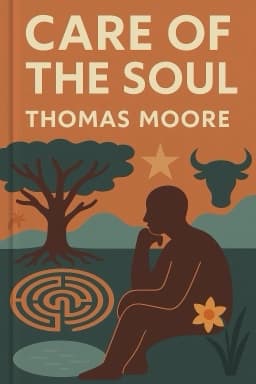
Unlocking the Soul’s Secret Language: Why Symptoms Are Your Soul’s Whisper
Discover the transformative power of listening to your body and mind’s deepest messages.
In a world obsessed with quick fixes and instant cures, we often overlook the subtle language of our symptoms. What if the aches, anxieties, and compulsions that trouble us are not enemies but messengers from the deepest parts of our being? Symptoms are the soul’s whisper, calling us to pay attention, to listen deeply, and to care with compassion.
Modern medicine tends to treat symptoms as isolated problems, to be eliminated by drugs or surgery. However, a homeopathic perspective invites us to embrace symptoms as friends, not foes. This approach suggests that healing occurs not through battling symptoms but by understanding their origins and meanings within the soul’s narrative.
Imagine a woman struggling with dependency. Instead of labeling it a flaw, she explores what this dependency reveals about her need for connection and trust. This shift transforms her relationship with herself and others, fostering growth. Such stories highlight how symptoms carry vital information about unmet needs and inner conflicts.
Storytelling is a powerful tool in this process. Repeating and reflecting on personal stories acts like an alchemical rotation, slowly turning raw experience into wisdom. Just as a farmer tills the soil repeatedly to enrich it, revisiting life narratives nurtures the soul’s depth and resilience.
This perspective does not deny the pain of symptoms but honors their role in the soul’s journey. By listening with patience and curiosity, we open pathways to healing that are gentle, profound, and lasting.
To embrace symptoms as soul messages is to embark on a transformative journey—one that redefines health as a dynamic dance between body, mind, and spirit.
For more insights on the soul’s language and healing, explore therapeutic traditions that integrate mind-body-spirit care and consider the wisdom of ancient healing arts that honor the whole person.
References to further reading and clinical perspectives can be found in works exploring homeopathy, psychosomatic medicine, and narrative therapy.
1 , 3
Want to explore more insights from this book?
Read the full book summary