
From Conflict to Collaboration: The Secret Mindset Shift That Builds High-Performing Teams
How shifting team mindsets from judgment to learning creates trust, innovation, and success.

Team dynamics often make or break success. Yet, many teams struggle with recurring conflict, mistrust, and stagnation. What if the root of these issues lies not in skills or resources but in the very questions team members ask themselves and each other?
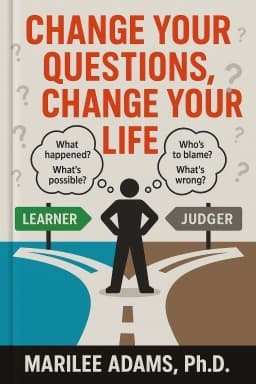
The distinction between the Judger and Learner mindsets is pivotal. Judger teams operate from blame, defensiveness, and fixed perspectives. They ask questions like, 'Who is responsible?' or 'Why is this always a problem?' These questions foster division and stalemates.
In contrast, Learner teams ask, 'What can we learn?' and 'How can we improve together?' This mindset invites curiosity, openness, and collaboration. Research shows that teams balancing inquiry with advocacy perform better, innovate more, and sustain higher trust levels.
Leaders play a crucial role in setting this tone. By modeling a Learner mindset through genuine questioning and active listening, they create psychological safety — the foundation for risk-taking and creativity.
One transformative practice is Q-Storming, where teams generate a wide range of open-ended questions to explore challenges deeply. This practice shifts focus from quick fixes to meaningful inquiry, unlocking new ideas and solutions.
Imagine a team once mired in conflict that, through adopting these practices, transformed into a vibrant, innovative group. Their meetings became spaces of respectful dialogue and shared purpose.
Shifting from Judger to Learner is not just a mindset change but a cultural revolution. It requires commitment but offers exponential returns in team performance and satisfaction.
Want to explore more insights from this book?
Read the full book summary