
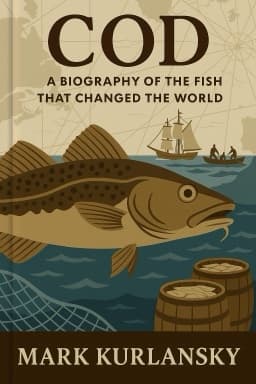
From Abundance to Collapse: The Ecological Tragedy of Atlantic Cod
A deep dive into how overfishing led to the near extinction of Atlantic cod and what it teaches us about sustainability.

For centuries, the Atlantic cod was a symbol of abundance and prosperity.
Industrial-scale fishing, enhanced by advanced technology, dramatically increased catch rates. Scientific warnings about declining stocks were often ignored or underestimated.
This closure was one of the largest fishery shutdowns in history, devastating coastal communities dependent on cod. The ecological impact was profound, revealing the fragility of marine ecosystems and the consequences of human overreach.
Cod’s reproductive biology compounds the problem. Although females produce millions of eggs, most do not survive to adulthood due to predation and environmental factors. This natural mortality means cod populations are especially vulnerable to overfishing and habitat degradation.
Recovery efforts now emphasize sustainable fishing practices, habitat protection, and collaborative monitoring between scientists and fishermen. These initiatives aim to balance human needs with ecological resilience.
The cod collapse serves as a cautionary tale for fisheries worldwide, illustrating the urgent need for responsible management to preserve ocean health and community livelihoods.
Want to explore more insights from this book?
Read the full book summary