
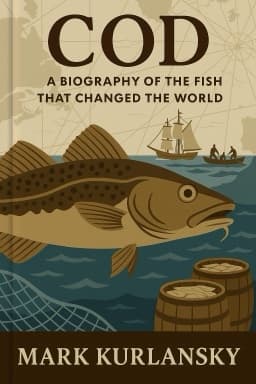
How a Humble Fish Changed the World: The Untold Story of Cod
Discover the fascinating journey of cod from ocean depths to shaping empires and economies across centuries.

Imagine a fish so abundant and valuable that it helped shape the course of world history. This is the story of the Atlantic cod, a species whose influence extends far beyond the ocean.
The journey begins with the Basque fishermen, who pioneered the art of salting and drying cod, allowing them to preserve this bounty for long voyages and distant markets. Their secretive language and techniques gave them a monopoly on the fishery, fueling wealth and maritime dominance. Cod became a staple food especially on Catholic fasting days, intertwining faith and commerce in a unique way.
As European powers discovered the rich cod grounds off the coast of North America, new economic opportunities emerged. The Grand Banks teemed with fish so plentiful that fishermen reportedly could scoop them from the sea with baskets. This abundance spurred colonization, trade networks, and the rise of fishing towns that relied heavily on cod exports.
However, the cod story is not only one of abundance but also of conflict and collapse. Fishing rights became fiercely contested, symbolizing independence and sovereignty in the New World. The Cod Wars of the 20th century between Iceland and Britain further illustrate how this fish could spark international disputes, leading to the establishment of modern maritime laws.
The ecological consequences of overfishing culminated in dramatic stock collapses, devastating communities and ecosystems. The 1992 Canadian moratorium on northern cod fishing stands as a stark warning of the limits of natural resources when exploited without caution.
Yet, cod’s cultural legacy endures. From traditional Basque dishes to Caribbean saltfish and New England chowder, cod remains a beloved culinary staple. The resourcefulness of fishermen who used every part of the fish reflects a deep respect for nature and tradition.
Today, hope lies in sustainable practices, scientific collaboration, and innovative conservation efforts that seek to restore cod populations and protect marine ecosystems. The story of cod is a powerful reminder of humanity’s intertwined fate with the natural world and the need for stewardship.
In sum, the tale of cod is a microcosm of history itself — a blend of discovery, conflict, culture, and cautionary lessons for the future.
Want to explore more insights from this book?
Read the full book summary