
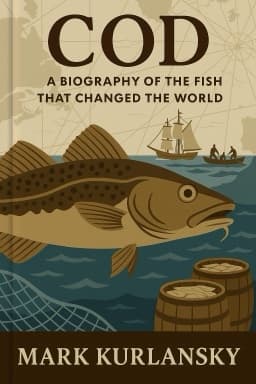
Sustaining the Future: Lessons from Cod for Ocean Conservation
Learn how the cod’s story informs modern efforts to balance human needs with ocean health and sustainability.

The story of cod is more than history; it is a living lesson in sustainability.
Modern fish farming presents both promise and peril. While aquaculture can reduce pressure on wild stocks, it carries risks such as genetic interbreeding and disease transmission. Responsible management is essential to harness benefits without harming wild populations.
Collaborative efforts like sentinel fisheries, where fishermen and scientists work together to monitor cod stocks, exemplify innovative approaches to sustainable management. These partnerships foster trust, data sharing, and adaptive policies that can respond to changing conditions.
Education and community engagement are crucial in building a culture of stewardship. Empowering coastal communities with knowledge and resources helps ensure that conservation efforts are effective and equitable.
Ultimately, the cod story reminds us that ocean health is integral to human well-being. Sustainable fisheries require a holistic approach, combining science, policy, tradition, and innovation.
By learning from the past and embracing cooperative solutions, we can chart a hopeful course for the future of our oceans and the species that depend on them.
Want to explore more insights from this book?
Read the full book summary