
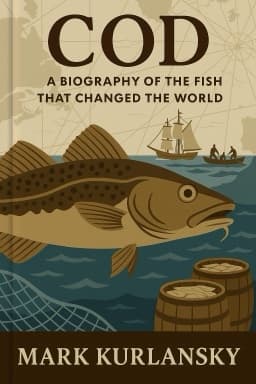
The Cod Wars: How a Fish Sparked International Conflict and Changed Maritime Law Forever
Explore the dramatic mid-20th century confrontations over cod fishing rights that reshaped oceans and international law.

In the cold Atlantic waters, a fish became the center of fierce diplomatic and maritime conflict.
Beginning in the 1950s, Iceland unilaterally extended its fishing limits from 3 miles to 200 miles, a move that Britain and other fishing nations resisted vehemently. These extensions threatened the livelihoods of British fishermen who had long fished these waters.
The confrontations were marked by dramatic tactics: Icelandic patrol boats cutting British fishing nets, ramming incidents, and tense standoffs on the high seas. Yet, despite the aggression, the conflicts avoided full-scale war, reflecting a delicate balance between assertion and diplomacy.
These disputes had far-reaching consequences. They accelerated the international acceptance of exclusive economic zones (EEZs), which grant coastal countries sovereign rights over marine resources within 200 nautical miles. This principle has since been enshrined in the United Nations Convention on the Law of the Sea (UNCLOS), shaping global maritime governance.
The Cod Wars highlight how natural resources can become flashpoints of national pride and economic survival. They also demonstrate the necessity of clear legal frameworks and cooperation to manage shared environments sustainably.
Today, the legacy of the Cod Wars serves as a reminder of the tensions that arise when economic interests collide with sovereignty and conservation. It also offers lessons for resolving similar disputes peacefully in an increasingly crowded ocean.
Want to explore more insights from this book?
Read the full book summary