
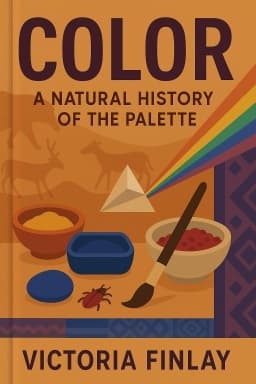
From Cave Walls to Canvas: How Color Shaped Human Civilization
Explore the transformative power of color in human history, rituals, and identity.

Explore the transformative power of color in human history, rituals, and identity.
Long before written language, humans expressed themselves through color. The ochre-stained walls of caves like Altamira and Chauvet tell stories of survival, belief, and community.
Across continents, color became a marker of social and spiritual identity. Aboriginal Australians’ use of ochre in initiation ceremonies is a profound example. The pigment symbolizes blood—both male and female—and the land itself, creating a sacred bond between people and country.
In ancient Mediterranean cultures, Tyrian purple dye was a symbol of imperial power. Extracted from thousands of sea snails, this labor-intensive process made purple the color of emperors and high priests.
Indigo dye, produced independently in Asia, Africa, and the Americas, carried spiritual and economic significance. Its deep blue shades were associated with royalty and resistance, often produced through secret fermentation methods.
The evolution of pigments—from natural minerals and plants to synthetic dyes—reflects human ingenuity. The invention of the paint tube in the 19th century revolutionized art by enabling outdoor painting and broader access to color.
Color has always been more than a visual phenomenon; it is a medium of communication, a carrier of meaning, and a bridge between the material and spiritual worlds. Understanding this enriches our appreciation of art, culture, and human history.
From the earliest cave walls to modern canvases, color continues to shape our stories and identities.
Want to explore more insights from this book?
Read the full book summary