
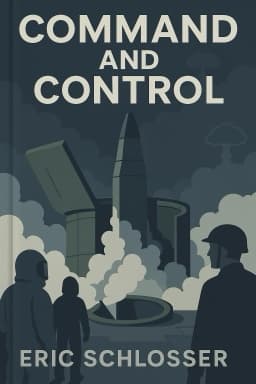
Damascus Disaster: How a Dropped Socket Nearly Triggered Nuclear Armageddon
The shocking true story of a maintenance mishap that almost ended in nuclear catastrophe.

In 1980, a routine maintenance operation at a Titan II missile silo in Damascus, Arkansas, turned into a nightmare. A nine-pound socket slipped and fell seventy feet, puncturing the missile’s fuel tank. This small mistake set off a chain of events that nearly led to nuclear catastrophe.
The fuel leak created a toxic, flammable vapor cloud inside the silo. Alarms blared as pressure fluctuations threatened to rupture the oxidizer tank, risking a massive explosion. Emergency crews scrambled to contain the situation, battling conflicting warnings and limited resources. After tense hours, the missile exploded in a fiery blast that destroyed the silo but, miraculously, did not detonate the nuclear warhead.
This accident revealed the limits of safety systems and the vital role of human judgment under pressure. It exposed how minor errors can cascade into near-disasters and shattered the illusion that nuclear weapons could be perfectly controlled.
The Damascus incident remains a powerful lesson in nuclear safety and risk management, reminding us of the ever-present dangers lurking beneath the surface of technological might.
Discover more about this dramatic event and its implications through detailed historical records and documentaries. 2 4
Want to explore more insights from this book?
Read the full book summary