
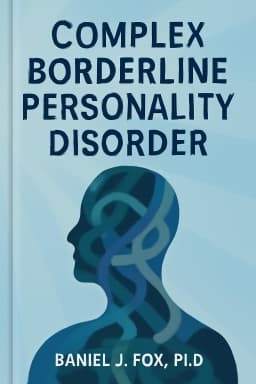
BPD vs Bipolar: The Emotional Rollercoaster You Didn’t Know You Were On
Are your mood swings bipolar or borderline? Learn the critical differences and why they matter for your mental health journey.

Emotional instability can feel like being trapped on a relentless rollercoaster, with highs that lift you to euphoric peaks and lows that plunge you into despair. But what if the ride you’re on isn’t what it seems?
Key Differences in Mood Patterns
Bipolar disorder is characterized by episodes of mania or hypomania lasting at least four days, often without clear external triggers. In contrast, BPD mood swings are intense but brief, often triggered by interpersonal stress or fears of abandonment.
Impulsivity and Behavior
Both disorders feature impulsive behaviors, but in BPD, these acts often serve to regulate overwhelming emotional pain or to avoid perceived abandonment. Bipolar impulsivity tends to occur during manic episodes and may include risky investments or grandiosity.
Treatment Approaches
Medication is the backbone for bipolar disorder management, stabilizing mood episodes effectively. For BPD, psychotherapy—especially dialectical behavior therapy—is the cornerstone, addressing emotional regulation and interpersonal effectiveness.
Real-Life Story
Consider a young woman who experienced rapid mood changes and impulsive actions. Initially diagnosed with bipolar disorder, her treatment with mood stabilizers helped somewhat, but her fear of abandonment and identity struggles persisted. A deeper assessment revealed BPD, shifting her treatment to include therapy focused on emotional skills, leading to significant improvement.
Conclusion
Recognizing whether you or a loved one is navigating BPD, bipolar disorder, or both can be life-changing.
References: StatPearls on BPD and bipolar disorder 1 , AACAP resources 2
Want to explore more insights from this book?
Read the full book summary