
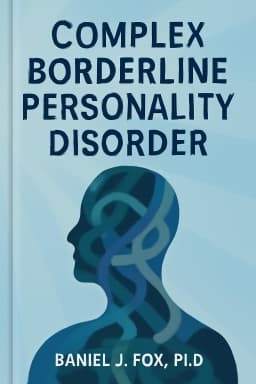
How Trauma Shapes Borderline Personality Disorder and What You Can Do About It
Uncover the hidden wounds of trauma in BPD and learn trauma-informed strategies that pave the way to healing and empowerment.

Trauma is often the invisible thread weaving through the fabric of Borderline Personality Disorder (BPD). While not everyone with BPD has a trauma history, many do, and this experience profoundly influences emotional regulation and relationships.
What Is Complex PTSD?
Complex PTSD arises from prolonged or repeated trauma, often in childhood, leading to symptoms beyond those of traditional PTSD. These include emotional dysregulation, negative self-concept, and difficulties in relationships.
The Impact of Trauma on BPD
Trauma disrupts attachment, creates invalidating environments, and fosters feelings of worthlessness and fear. These wounds manifest as the core symptoms of BPD: emotional instability, identity disturbance, and intense interpersonal conflicts.
Trauma-Informed Care: A Pathway to Healing
Trauma-informed care prioritizes safety, trust, and empowerment. Therapeutic approaches focus on processing trauma narratives gently, rebuilding self-worth, and establishing secure relationships.
Real-World Healing
Imagine a person who, after years of turmoil, begins therapy that acknowledges their trauma history. Through consistent support and validation, they learn to regulate emotions and build healthier relationships, gradually reclaiming their life.
Conclusion
Healing from trauma within BPD is possible with compassionate, informed care.
References: Maryland Psychology book recommendations 3 , AACAP trauma resources 2
Want to explore more insights from this book?
Read the full book summary