
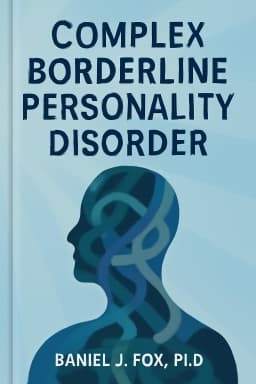
Unlocking the Secrets of Borderline Personality Disorder: What Your Therapist Isn’t Telling You
Dive deep into the misunderstood world of BPD and discover actionable insights that can transform your understanding and healing journey.

Borderline Personality Disorder (BPD) is often shrouded in myths and misconceptions, leaving those affected feeling isolated and misunderstood.
Understanding Pure vs. Complex BPD
While many think of BPD as a singular disorder, the reality is often more intricate. Pure BPD refers to cases where symptoms exist without other psychiatric diagnoses, but this is relatively rare.
Consider the story of a man whose reckless behaviors masked deeper feelings of worthlessness and neglect, only revealed once his bipolar symptoms were stabilized. This illustrates how layered these conditions can be and why accurate diagnosis matters.
The Bipolar-BPD Conundrum
One of the most challenging aspects is differentiating BPD from bipolar disorder. Both share mood instability and impulsivity, but the timing and triggers differ. Bipolar episodes last days and can occur without external cause, while BPD mood shifts are brief and stress-related.
Practical Strategies for Mood Management
Recognizing early-warning signs like insomnia or irritability can empower individuals to intervene before crises escalate. Cognitive restructuring helps challenge distorted thoughts that fuel emotional pain.
The Role of Psychosis and Dissociation
Transient psychotic symptoms and dissociation are common in Complex BPD, often triggered by stress. Grounding exercises—like focusing on sensory input or safe environments—help reconnect individuals with reality.
ADHD’s Hidden Influence
Many with BPD also have ADHD, which exacerbates impulsivity and emotional dysregulation. Recognizing ADHD symptoms such as inattention and hyperactivity allows for targeted interventions including behavioral strategies and medication.
Healing from Trauma
Trauma shapes many BPD experiences but is not universal. Complex PTSD adds layers of emotional regulation difficulties and relational problems.
Conclusion: Embracing Hope and Healing
Understanding BPD’s complexity and its intersections with other disorders opens pathways to effective treatment and self-compassion.
For further reading and support, explore resources from trusted medical literature and mental health organizations.
References: StatPearls on BPD and mental disorders 1 , AACAP patient resources 2 , Maryland Psychology book recommendations 3
Want to explore more insights from this book?
Read the full book summary