
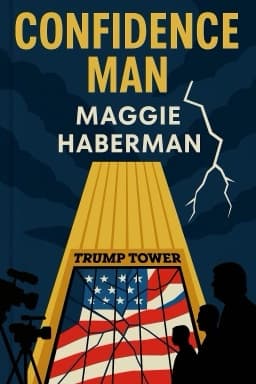
5 Unbelievable Secrets from ‘Confidence Man’ That Explain Trump’s Rise to Power
From Queens to the White House: The Untold Stories That Shaped a President

From Queens to the White House: The Untold Stories That Shaped a President
Donald Trump’s life has played out on the grandest stages—skyscrapers, casinos, TV studios, and the White House. But what truly shaped him? Maggie Haberman’s ‘Confidence Man’ peels back the curtain to reveal the defining secrets behind his rise. First, the immigrant ambition that fueled the Trump family is more complex than you think. Trump’s grandfather, Friedrich, made his first fortune in the Yukon, teaching the family to chase opportunity wherever it led. The lessons of risk, reinvention, and survival were passed down, shaping a worldview that prioritized winning at all costs.
Second, the sibling rivalry and stern discipline of Trump’s childhood forged a competitor obsessed with dominance. The Trump household was a battleground, with Donald learning early that affection and approval were tied to achievement. Military school, meant as punishment, became a crucible where he learned to lead through force of will and to value loyalty above all else.
Third, Trump’s genius for spectacle and media manipulation began long before his presidential run. In New York, he was not just a developer but a brand—calling reporters under fake names, staging dramatic press conferences, and turning every controversy into a headline. His early deals, like the Grand Hyatt, were built as much on tax abatements and publicity as on bricks and mortar.
Fourth, the book uncovers how Trump’s approach to race and scandal was always strategic, never accidental. The infamous Central Park Five ad was just one example of how he used controversy as a tool for visibility, treating race as a political lever rather than a moral issue. Every scandal became an opportunity to dominate the narrative.
Finally, ‘Confidence Man’ reveals Trump’s ultimate survival strategy: relentless reinvention. Whether facing bankruptcy or impeachment, Trump doubled down on spectacle, switching personas between charm and aggression as needed. The book argues that his story is not just personal but a reflection of America’s own divisions and dreams.
In the end, Haberman’s reporting shows that Trump’s rise was no accident—it was the product of a lifetime of lessons in survival, spectacle, and the relentless pursuit of attention. The secrets of his ascent are woven into the fabric of American culture itself, making ‘Confidence Man’ essential reading for anyone seeking to understand the forces that shape our leaders—and ourselves.
Want to explore more insights from this book?
Read the full book summary