
The Mind’s Greatest Trick: How Hallucinations Reveal the Limits of Consciousness
What your brain’s hallucinations teach us about the fragile nature of reality and perception.

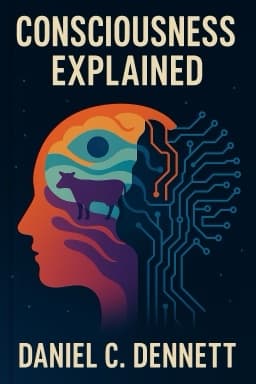
Have you ever wondered why hallucinations, no matter how vivid, never fully convince us that we are in a different reality? Daniel Dennett’s analysis reveals that the brain faces a combinatorial explosion when trying to simulate every possible sensory consequence of our actions. This makes fully interactive hallucinations practically impossible.
Hallucinations typically occur when we are passive, limiting the brain’s need to simulate all possible sensory feedback. The brain satisfies its 'epistemic hunger' — its craving for information — by providing just enough sensory input to keep curiosity at bay, but not enough to fully simulate reality.
This insight explains why hallucinations are often fragmented, predictable, and limited in scope. It also highlights the brain’s remarkable efficiency in managing information, balancing between exploration and economy.
By studying hallucinations, we gain a window into the brain’s strategies for constructing conscious experience, revealing both its power and its limits.
For deeper dives into these ideas, see the thought-provoking discussion at Want to explore more insights from this book?