
From Factories to Gardens: How Rethinking Education as a Living System Can Save Our Kids
Discover the transformative power of viewing education as a living, breathing ecosystem rather than a machine.

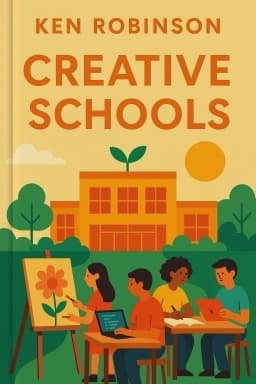
Imagine a school that feels like a garden—where every child is a unique plant, nurtured with care, attention, and respect for their individual growth. This is the vision of organic education, a powerful alternative to the industrial model that dominates today.
Traditional schooling mirrors factory farming, focusing on maximizing output—test scores, graduation rates—often at the cost of health and diversity. Just as monoculture depletes soil and harms ecosystems, standardized education stifles creativity and well-being. Organic education, by contrast, prioritizes health, ecology, fairness, and care, nurturing students holistically.
Education is not a machine but a complex adaptive system, where students, teachers, families, and communities interact dynamically. Change arises from these interactions, fueled by trust, collaboration, and experimentation. Schools that embrace this view create environments where students thrive intellectually and emotionally.
Examples abound: schools converting classrooms into vibrant ecosystems of inquiry, students learning through real-world projects, and communities deeply involved in education. These models honor multiple intelligences and support diverse talents, helping every learner flourish.
This blog delves into the principles and practices of organic education, offering a hopeful path forward. It challenges readers to rethink what education can be and to join the movement toward schools that nurture life and creativity.
For more on personalized and adaptive learning approaches, see the comprehensive insights on transforming education through personalized learning 2 .
Want to explore more insights from this book?
Read the full book summary