
From Maker to Innovator: How Creative Superpowers Change Everything
A deep dive into the four creative superpowers and their transformative impact on individuals and organizations.

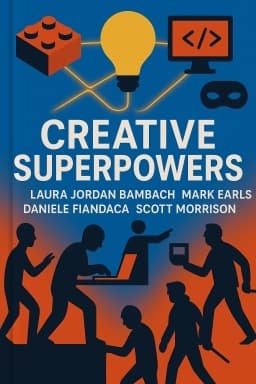
Creativity is more than inspiration; it is a set of superpowers that anyone can develop to transform ideas into impact. The book 'Creative Superpowers' identifies four key abilities—making, hacking, teaching, and copying—that together form a powerful toolkit for innovation.
Making: The Creative Foundation
Making involves hands-on experimentation and embracing imperfection. It is the process of bringing ideas to life through physical or digital creation. This approach fosters a flow state where creativity flourishes. For example, a music video shot in one continuous take exemplifies how playful experimentation can yield extraordinary results.
Hacking: Creative Problem-Solving
Hacking is the mindset of assuming something can be improved. Historical examples include hospital hygiene reforms that drastically reduced mortality and urban crime reduction through small, focused interventions. In organizations, culture hacking empowers teams to redefine norms and increase ownership.
Teaching: Accelerating Learning
Teaching is a dynamic exchange that deepens understanding. Learning by doing, especially in informal settings like urban environments, enhances creativity. Reverse mentoring breaks traditional hierarchies, fostering innovation.
Copying: Ethical Inspiration
Copying, when done intelligently, is a source of inspiration and innovation. It involves transforming existing ideas and giving credit, fueling cultural evolution. Architects often blend historical styles to create original designs, illustrating this process.
Sustaining Creativity
To thrive, creative superpowers must be nurtured through curiosity, reflection, and playfulness. Overcoming fear and embracing failure as learning opportunities are essential. Workshops and peer collaboration accelerate development.
By cultivating these superpowers, individuals and organizations unlock new possibilities, turning makers into true innovators.
Want to explore more insights from this book?
Read the full book summary