
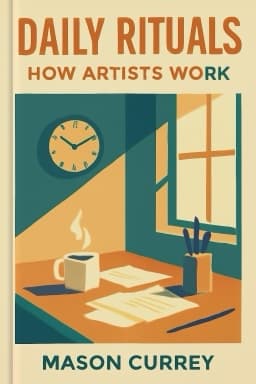
Master the Balance: Juggling Creativity, Family, and Life
Secrets from great artists on harmonizing personal life and creative work

Creative work rarely happens in isolation. Many artists navigate the complexities of family life, social obligations, and day jobs while pursuing their art. The key is balance—finding ways to integrate rather than separate these worlds.
Jane Austen wrote amidst family and visitors, often hiding her papers to protect her privacy. This adaptability shows that meaningful work can emerge even in bustling, shared environments. Toni Morrison balanced parenting, teaching, and a day job, reserving focused writing time for the evenings. Her ability to concentrate despite a hectic schedule underscores the power of carving out and protecting dedicated creative time.
Flexible scheduling is crucial. Rather than waiting for perfect conditions, successful creatives seize brief windows of opportunity and develop mental habits to switch focus quickly. Establishing boundaries, communicating needs to family and friends, and building support networks also help preserve creative space.
Concentration amidst distractions is cultivated through intentional practices like mental compartmentalization and using environmental cues to signal work time. These strategies enable artists to produce quality work without sacrificing personal relationships.
By embracing the art of balance, you allow creativity to coexist with the fullness of life, enriching both your work and your personal world.
Learn more about managing distractions and creating personal rituals to protect your creative focus. 1 2
Want to explore more insights from this book?
Read the full book summary