
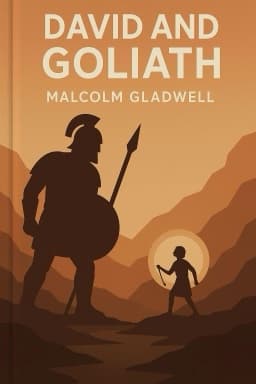
Why Being the Underdog Might Be Your Greatest Advantage: The Shocking Truth About David and Goliath
Discover how apparent weaknesses can become your secret weapon to success, inspired by timeless stories and modern research.

When you hear the story of David and Goliath, you might think it's just a simple tale of a small boy defeating a giant with a sling. But this story holds far deeper insights into how what seems like a weakness can actually be a powerful advantage.
This principle extends beyond ancient battlefields. In modern sports, for instance, a youth basketball team lacking size and skill shocked opponents by using a relentless full-court press. Their success came not from talent alone but from endurance, teamwork, and innovative strategy. This aligns with research showing that underdogs who fight unconventionally can double their chances of winning compared to those who confront giants head-on.
But it’s not just about tactics. Our confidence and motivation are deeply influenced by the social environments we inhabit. The Big Fish–Little Pond effect shows that students who are top performers in smaller, less competitive schools often succeed more than equally talented peers at elite institutions. Feeling valued and competent within one’s context can outweigh the prestige of the environment.
Moreover, some of life’s greatest challenges, such as dyslexia, can act as "desirable difficulties"—hardships that force the brain to adapt and develop unique strengths like creativity, exceptional listening, and problem-solving. Many successful entrepreneurs have dyslexia, demonstrating how struggle can be a catalyst for remarkable achievement.
Surviving close calls or 'remote misses' also builds courage. People who narrowly escape danger often develop greater resilience and fearlessness than those who never faced such threats. This psychological transformation turns trauma into a source of strength, as seen in civil rights activists who became more determined after surviving violent attacks.
Finally, power and authority only work effectively when they are seen as legitimate and fair. Excessive punishment or enforcement without trust breeds resistance and undermines social order. Successful leadership depends on fairness, community engagement, and respect, not just brute force.
In summary, the lessons from David and Goliath teach us to rethink what it means to be strong or weak. Challenges and disadvantages can be the very sources of innovation, resilience, and success. By embracing unconventional strategies, understanding our social context, and transforming adversity into opportunity, we can all find ways to triumph against the odds. Are you ready to see your own challenges in a new light?
Sources: 1 , 2 , 3 , 4
Want to explore more insights from this book?
Read the full book summary