
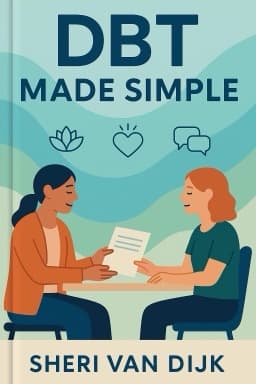
Why DBT Skills Aren't Just for 'Diagnosis': Life-Changing Lessons from DBT Made Simple
How DBT Skills Can Help Anyone—Not Just Those in Therapy

How DBT Skills Can Help Anyone—Not Just Those in Therapy
It’s a common misconception that Dialectical Behavior Therapy (DBT) is only for people with serious mental health challenges. In reality, the skills taught in DBT Made Simple are practical tools for anyone who wants to thrive in a demanding world. Whether you’re juggling work and family, navigating a breakup, or just trying to stay calm in traffic, DBT’s core skills offer relief and empowerment.
Mindfulness: The Universal Superpower
Mindfulness isn’t just for meditation gurus. DBT breaks it down into simple steps anyone can use: observe, describe, and participate in the present moment. This skill helps you pause before reacting, notice your thoughts without judgment, and choose how you want to respond. It’s the antidote to autopilot living.
For example, a student facing exam stress can use mindful breathing to calm nerves, while a manager can use mindful listening to defuse a tense meeting. Mindfulness is the foundation for all other DBT skills—and it’s available to everyone, anytime.
Distress Tolerance: Riding Out the Storm
Life is unpredictable. When things go wrong, DBT’s distress tolerance skills offer healthy ways to survive the storm. Instead of impulsively quitting a job or sending an angry text, you can use distraction, self-soothing, or radical acceptance to get through tough moments without making things worse.
Emotion Regulation: From Chaos to Clarity
We all experience emotional ups and downs. DBT teaches you to identify and label your feelings, reduce vulnerability with self-care, and shift your mood with opposite action. These skills are invaluable for anyone who wants to stop feeling hijacked by their emotions.
Interpersonal Effectiveness: Building Better Relationships
Healthy relationships require clear communication and boundaries. DBT’s DEAR MAN strategy helps you ask for what you need, say no with confidence, and maintain your self-respect. Whether you’re negotiating with a partner or resolving conflict at work, these skills are game-changers.
DBT for Everyday Life
From parents to professionals, students to retirees, DBT’s skills are for everyone. They help you navigate stress, improve relationships, and find balance. By practicing these tools, you build resilience, confidence, and a sense of control—even when life is unpredictable.
If you’re looking for practical, evidence-based strategies to improve your well-being, DBT Made Simple is a must-read. The journey to a better life starts with a single skill—why not try one today?
Want to explore more insights from this book?
Read the full book summary