
Unlocking Feminist Parenting: 15 Life-Changing Lessons to Raise Empowered Kids
Discover the transformative power of feminist principles in parenting and how to nurture confident, equal, and brave children.

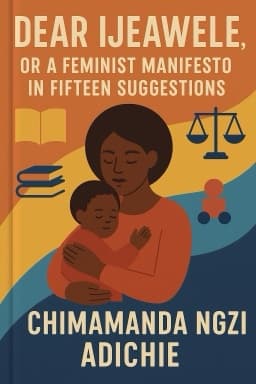
In a world where gender roles have long dictated the paths of children, a new manifesto emerges as a beacon of hope and change. This manifesto is not just a list of suggestions; it is a call to action for parents who want to raise children—especially daughters—who are confident, independent, and unapologetically themselves. Rooted in the powerful words of a celebrated author and feminist, these fifteen suggestions unravel the myths surrounding motherhood, parenting, and gender expectations.
At its core, the manifesto insists that a mother must first be a full person beyond motherhood. This means embracing personal identity, pursuing work or passions, and rejecting the cultural myth that women must 'do it all' perfectly. The manifesto reminds us that motherhood should not erase individuality but rather coexist with it, modeling independence and self-care for children. This foundation is crucial because children learn by example, absorbing the confidence and authenticity their parents embody.
Moving forward, the manifesto dismantles the idea that fathers 'help' mothers. Instead, it insists that parenting is a shared responsibility, and fathers are co-parents, not assistants. The language we use matters deeply; calling a father’s caregiving 'help' subtly reinforces gender inequality. When parenting duties are genuinely shared, families thrive in balance and mutual respect.
Perhaps one of the most revolutionary ideas is the rejection of traditional gender roles. The manifesto challenges the pink-for-girls and blue-for-boys binary as a marketing invention that limits children's freedom to explore. It encourages parents to let children play with any toys, wear any colors, and pursue any interests, free from societal constraints. This early freedom nurtures creativity, self-reliance, and confidence.
The manifesto also warns against 'Feminism Lite,' a diluted form of feminism that accepts partial equality only when 'allowed' by men. True feminism demands unwavering commitment to full equality, rejecting patronizing language and power imbalances. This uncompromising stance empowers women to claim their rightful place without apology.
Education plays a pivotal role in this journey. Teaching children to love reading and critical thinking equips them with tools to question the world and express themselves. Diverse literature broadens perspectives and fosters empathy, while encouraging questioning language helps dismantle hidden biases embedded in everyday speech.
Language is a subtle but potent force in shaping perceptions. Terms like 'lady mechanic' or praising men for cooking reveal ingrained gender biases. By teaching children to recognize and challenge these, parents foster a critical awareness that is essential for equality.
Marriage, often seen as a defining achievement for women, is reframed in the manifesto as a personal choice, not a milestone that defines identity. The pressure on women to change their names or conform to societal expectations around marriage reflects deeper inequalities that children must be taught to question.
Finally, the manifesto stresses authenticity over likeability. Girls are often socialized to prioritize pleasing others, which can suppress honesty and courage. Teaching children to reject the need to be liked and instead be brave and truthful lays the groundwork for empowered, resilient individuals.
These fifteen suggestions form a holistic approach to feminist parenting that is both practical and visionary. They invite parents to nurture children who are not confined by tradition but inspired to challenge and reshape the world. By embracing these principles, families can cultivate equality, respect, and love that transcend generations.
For those seeking to dive deeper, exploring the original manifesto alongside contemporary feminist thought offers rich insights and actionable guidance. Together, these ideas pave the way for a future where every child grows up knowing their worth and potential are limitless.
Want to explore more insights from this book?
Read the full book summary