
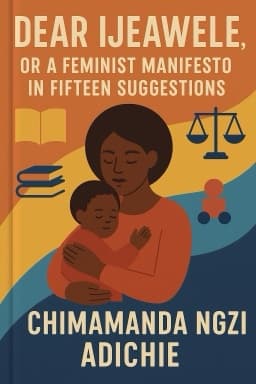
Why Traditional Parenting Fails Feminist Children: A Manifesto That Will Change Your Mind
Uncover the hidden pitfalls of traditional parenting and learn how feminist principles create stronger, more equal families.

For generations, parenting has been steeped in traditions that often reinforce rigid gender roles and expectations. Mothers are expected to be the primary caregivers, while fathers are seen as secondary helpers. Girls are dressed in pink and steered toward dolls, while boys are given trucks and told to be tough. These norms, though familiar, are fraught with hidden costs that stunt children's growth and perpetuate inequality.
This feminist manifesto challenges these conventions head-on. It exposes the myth of the 'superwoman'—the woman who must flawlessly juggle career, home, and motherhood without complaint. Celebrating such women overlooks the systemic inequities that place disproportionate burdens on women’s shoulders. True equality demands sharing responsibilities, not glorifying endurance.
Shared parenting is a cornerstone of this new vision. Fathers are not 'helping' but actively parenting. This shift in language and practice fosters respect and balance, reducing burnout and resentment. When children see both parents engaged equally, they internalize models of partnership and fairness.
The manifesto also dismantles the pink-blue divide, emphasizing that gendered marketing limits children’s exploration. It encourages parents to provide toys, clothes, and experiences without gender bias, allowing children to develop authentic interests and skills.
Language, too, is scrutinized. Phrases like 'she’s so ladylike' or 'he’s a strong boy' carry implicit messages about what is acceptable behavior for each gender. Teaching children to question these messages cultivates critical thinking and a resistance to stereotypes.
Marriage and identity are reframed as well. The manifesto urges rejecting the idea that marriage defines a woman’s worth or identity. It challenges the expectation that women must change their names or conform to societal roles after marriage, promoting personal agency and equality.
Finally, the manifesto calls for raising children who reject the pressure to be likeable at all costs. Encouraging honesty, bravery, and kindness with boundaries helps children develop resilience and self-respect, essential qualities for navigating a complex world.
By embracing these feminist principles, parents can break free from outdated traditions and raise children prepared to build a more just and equal society. This manifesto is not just a guide; it is a revolution in how we think about family, identity, and equality.
Want to explore more insights from this book?
Read the full book summary