
Outsourcing Your Brain? How AI is Changing the Way We Think and Learn
The double-edged sword of relying on machines to expand – and sometimes diminish – our mental capacities

In today’s digital age, our brains are no longer the sole repositories of knowledge and memory. Smartphones, cloud storage, and AI assistants have become extensions of our minds, enabling us to access vast information instantaneously. This phenomenon, known as cognitive outsourcing, transforms how we think, learn, and create.
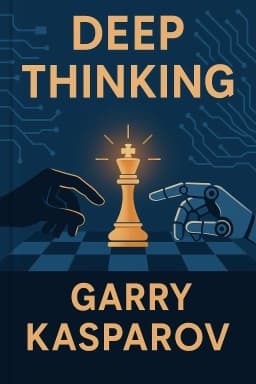
Cognitive outsourcing offers tremendous advantages. It lowers the barriers to mastering complex skills by providing instant access to data and computational tools. For example, chess players use powerful engines and databases to analyze positions, accelerating their learning curve and expanding strategic horizons.
However, this reliance carries risks. Over-dependence on machines can erode our capacity for deep understanding, critical thinking, and memory retention. The ease of retrieving information may discourage active learning and intellectual effort, leading to superficial knowledge.
Balancing technology use with mindful engagement is essential. Developing habits that combine digital tools with active reflection, practice, and creativity can harness the benefits of AI augmentation while preserving human cognitive strengths.
Ultimately, the integration of AI into our cognitive processes invites us to rethink what it means to learn and think in the 21st century. By embracing technology as a partner rather than a crutch, we can unlock new potentials for innovation and understanding.
For more insights, see discussions on AI augmentation by Kasparov and cognitive science perspectives on human-machine collaboration.
3 4
Want to explore more insights from this book?
Read the full book summary