
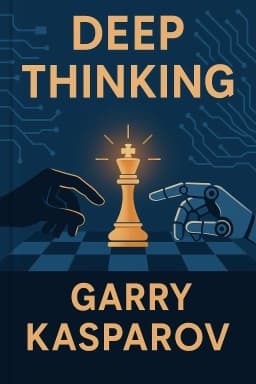
The Future is Now: Embracing Human-Machine Collaboration for a Better Tomorrow
Why embracing AI as a partner, not a threat, will unlock unprecedented human potential

As we stand at the crossroads of rapid technological advancement, the story of human versus machine in chess offers profound insights into our collective future. The journey from initial resistance to collaboration exemplifies how embracing AI not as a rival but as a partner can elevate human potential to new heights.
Technology has historically created new jobs and opportunities that were unimaginable just decades ago. Roles such as drone pilots, app designers, and genetic counselors illustrate how innovation reshapes the workforce. Importantly, despite AI’s advances, human creativity, curiosity, and emotional depth remain irreplaceable qualities that define us.
Throughout history, society has experienced cycles of fear and acceptance with disruptive technologies. Understanding these patterns helps us approach current changes with resilience and hope. By harnessing AI wisely, we can foster a future where humans and machines collaborate seamlessly, solving complex problems and enriching lives.
Ultimately, the future belongs to those who embrace change, cultivate adaptability, and leverage technology to amplify uniquely human strengths. The chessboard of tomorrow is not a battlefield but a canvas for joint creation and progress.
For further exploration, consider Kasparov’s reflections on AI-human synergy and historical analyses of technological transitions.
1 3 2
Want to explore more insights from this book?
Read the full book summary