
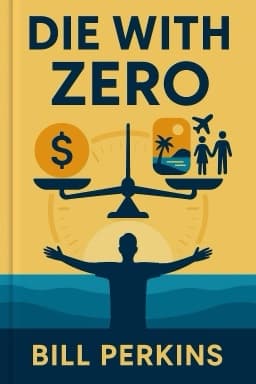
Stop Hoarding Money and Start Living: The Science Behind Die With Zero
Unlock the psychological secrets that keep you from living fully and how to break free.

Why do so many people save excessively, only to leave large sums unspent at death? Behavioral finance and psychology offer clues. Fear of scarcity, loss aversion, and inertia often trap us in cycles of over-saving, preventing us from enjoying life’s pleasures.
The Brain’s Value on Experiences vs. Possessions
Research shows that experiences provide greater and longer-lasting happiness than material goods. This is because experiences build social bonds, contribute to our identity, and generate memories that grow in value over time. The 'memory dividend' is a neurological reality, where recalling joyful experiences activates reward centers in the brain repeatedly.
Fear and Inertia: The Twin Barriers
Fear of running out of money leads to excessive saving, while inertia keeps us from adjusting spending habits. These psychological barriers cause many retirees to underspend, missing out on life’s richness. Understanding these tendencies is the first step to overcoming them.
Embracing Calculated Risks
Taking smart risks, especially when young, aligns with human adaptability and growth. Failures become learning experiences, and successes build confidence. Adjusting risk tolerance with age supports sustainable well-being.
Aligning Spending with Life’s Rhythms
Time-bucketing and planning spending according to life phases help synchronize financial behavior with natural human development, maximizing satisfaction and minimizing regret.
By understanding the science behind our money habits, we can break free from fear and inertia, embracing a life lived fully and intentionally.
Sources: Behavioral Finance Research, DieWithZeroBook.com, Ali Abdaal Summary, LinkedIn 2 3 4
Want to explore more insights from this book?
Read the full book summary