
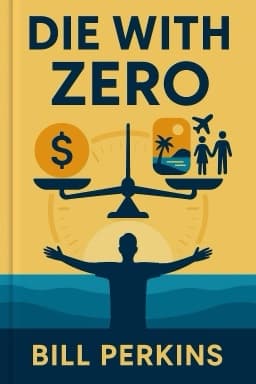
Why Saving Too Much Could Be Your Biggest Mistake: The Die With Zero Philosophy
Discover the revolutionary approach to money that prioritizes living fully over hoarding wealth.

In a world obsessed with accumulating wealth, the idea of spending all your money before you die might sound counterintuitive, even reckless. Yet, this is precisely the bold philosophy championed by Bill Perkins in his groundbreaking book, Die With Zero. This approach flips traditional financial advice on its head, emphasizing the value of experiences over possessions and urging us to rethink how we allocate our time and money.
The Memory Dividend: Why Experiences Trump Stuff
Central to this philosophy is the concept of the memory dividend — the ongoing joy and fulfillment we receive when recalling meaningful experiences. Unlike material goods, which depreciate and lose appeal over time, experiences grow more valuable as memories accumulate. Think back to your favorite vacation, your first concert, or a heartfelt conversation with a loved one. These moments continue to enrich your life long after they occur.
Delaying Gratification? Beware the Cost
Many of us fall into the trap of postponing enjoyment, saving relentlessly for an uncertain future. But life is finite, and some experiences are best enjoyed at certain ages. Waiting too long can mean missing out on the very moments that bring lasting happiness. The story of a man who borrowed money at high interest to travel in his twenties illustrates this point vividly — the investment in experience paid dividends far beyond financial cost.
Aiming to Die With Zero: The Ultimate Financial Goal
Perkins argues that the goal should be to die with zero dollars left, having spent your wealth on enriching experiences throughout your life. This requires careful planning to avoid running out of money prematurely while also preventing the waste of life energy spent earning money that is never enjoyed. For example, retirees often leave significant savings unspent, representing years of work that did not translate into life fulfillment.
Balancing Work and Play
Finding the sweet spot between earning and enjoying is crucial. Overworking can lead to burnout and missed opportunities, while excessive spending risks financial insecurity. The book encourages readers to embrace a dynamic balance that shifts naturally over life’s phases — working more in youth and prioritizing leisure later.
Tools to Help You Spend Wisely
To manage the risk of outliving your money, Perkins highlights financial tools like annuities and life expectancy calculators. These help align spending with lifespan, allowing you to enjoy your money without fear. The idea is to plan deliberately so that your money supports your life goals, not just your bank balance.
Giving Money at the Right Time
Another insightful point is the timing of giving money to children or charity. Most inheritances come too late to maximize impact. Early giving, or 'in vivo' transfers, allows recipients to benefit when it matters most, whether buying a home or starting a family.
Final Thoughts
Ultimately, Die With Zero is a call to live boldly and deliberately, using money as a tool to create a life rich in memories and joy. It challenges us to rethink our relationship with money and time, urging us to embrace experiences now rather than later.
For anyone tired of the endless rat race and eager to live fully, this philosophy offers a refreshing and practical roadmap.
Sources: Amazon, DieWithZeroBook.com, Ali Abdaal Summary, LinkedIn Insights 1 2 3 4
Want to explore more insights from this book?
Read the full book summary